ISSUE
December, 2021
No. 106 (12)
2024 Impact Factor: 7.9
2024 Journal Citation Indicator: 1.9
2024 CiteScore: 11.3
2024 Journal Citation Indicator: 1.9
2024 CiteScore: 11.3
EDITOR'S PICKS
ARTICLES IN THREE SENTENCES
Article
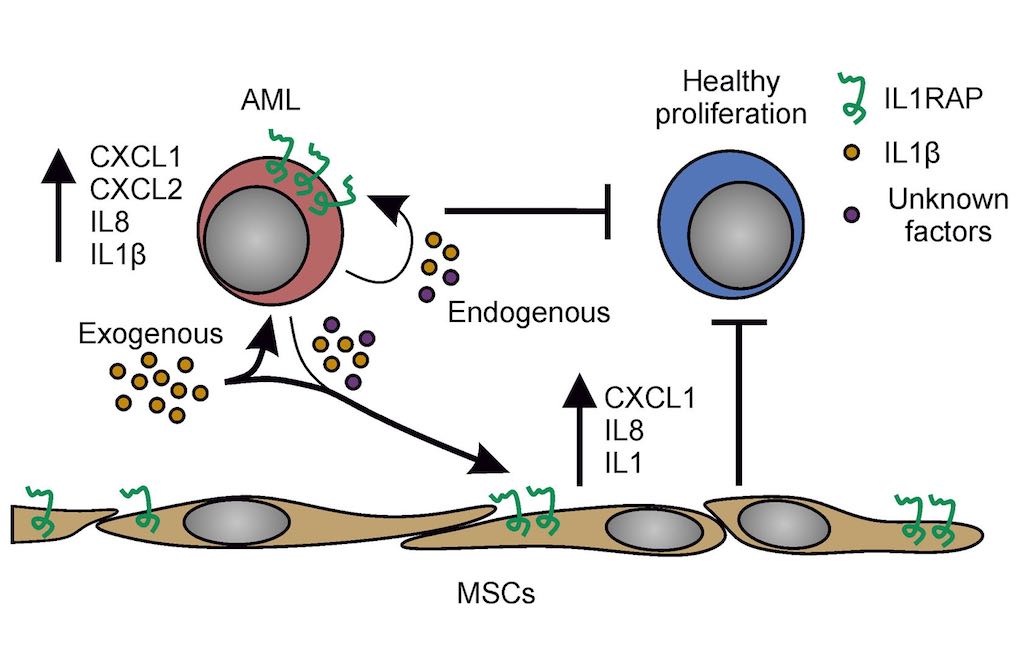
The IL1-IL1RAP axis plays an important role in the inflammatory leukemic niche that favors acute myeloid leukemia proliferation over normal hematopoiesis
The interleukin-1 receptor accessory protein (IL1RAP) is upregulated in plasma membranes of stem/progenitor cells from acute myeloid leukemia patients. This study suggests that blocking the IL1-IL1RAP signaling axis might reduce inflammation in the bone marrow niche and thereby promote normal hematopoietic recovery over leukemic proliferation after chemotherapy.
Letter
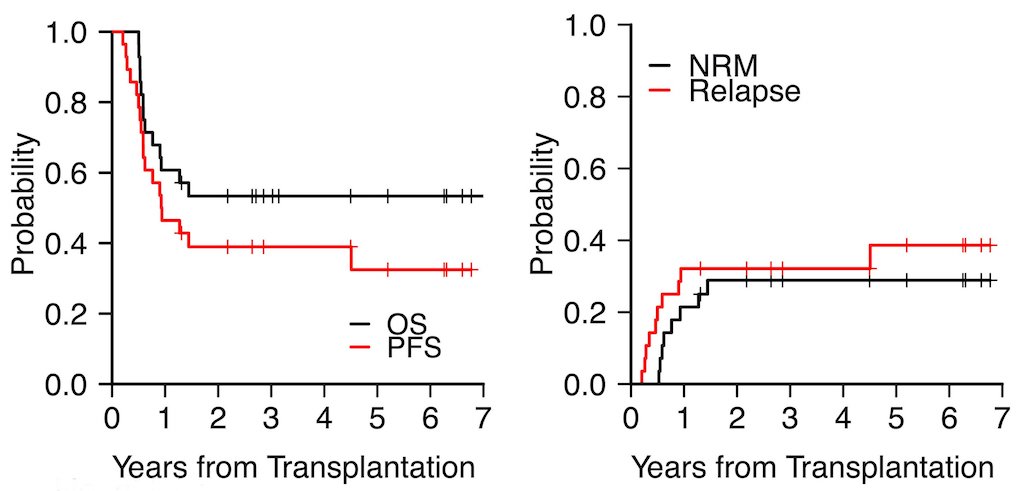
Allogeneic hematopoietic cell transplantation outcomes in patients with Richter’s transformation
The prognosis of patients with Richter’s transformation (RT) of chronic lymphocytic leukemia remains poor. This retrospective analysis investigated 28 patients with such a condition who underwent allogeneic hematopoietic cell transplantation (alloHCT). It was concluded that a sizeable proportion of patients with RT in remission can achieve durable remissions, and that alloHCT should be considered as a treatment option for patients who are fit and have controlled disease.
Article
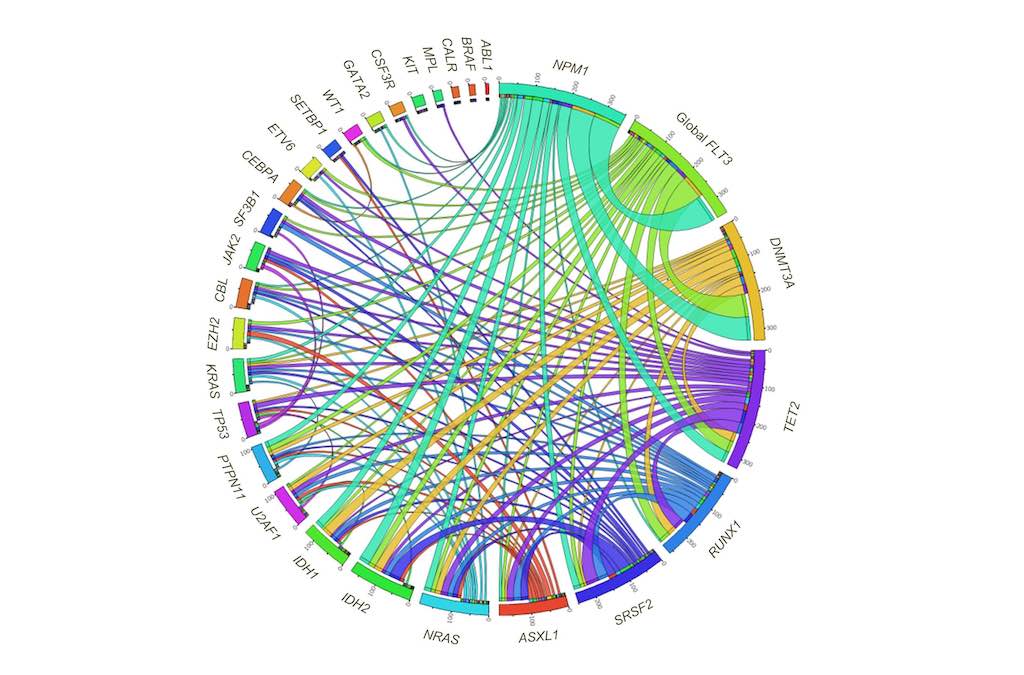
Networking for advanced molecular diagnosis in acute myeloid leukemia patients is possible: the PETHEMA NGS-AML project
Seven reference Spanish laboratories performed a cross-validation study of the results of next-generation sequencing (NGS) panel genes during the standardization process and clinical validation in 823 samples from 751 patients with acute myeloid leukemia. After standardization the overall concordance rose from 60.98% to 85.57%. A diagnostic network with harmonized NGS analysis and reporting is feasible in the context of a scientific group.
Case Report
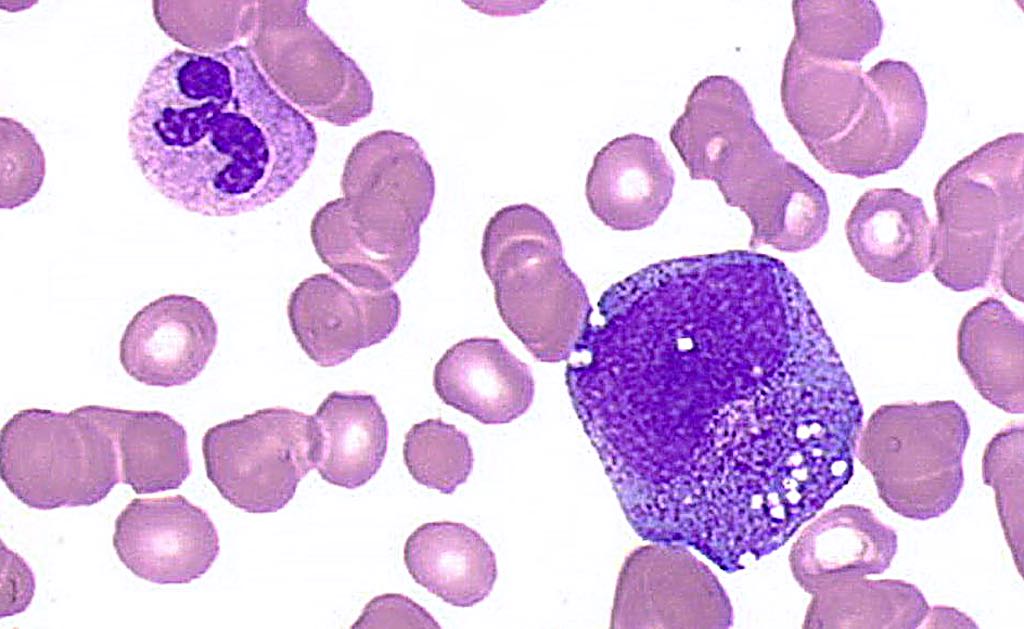
Dominance of an UBA1 mutant clone over a CALR mutant clone: from essential thrombocytemia to VEXAS.
Somatic mutations in UBA1 cause VEXAS, a syndrome comprising multiorgan inflammatory disease and anemia. A patient with CARL-positive essential thrombocythemia (ET) for 10 years developed VEXAS associated with myelodysplasia cutis and both the CALR clone and the ET phenotype disappeared. This suggests mutations of UBA1 can be associated with other mutations, and can be a secondary major driver event in clonal evolution.
TAKE ADVANTAGE FROM HAEMATOLOGICA