ISSUE
March, 2022
No. 107 (3)
2025 Impact Factor: 8.2
2025 Journal Citation Indicator: 1.77
2025 CiteScore: 9.7
2025 Journal Citation Indicator: 1.77
2025 CiteScore: 9.7

EDITOR'S PICKS
ARTICLES IN THREE SENTENCES
Article
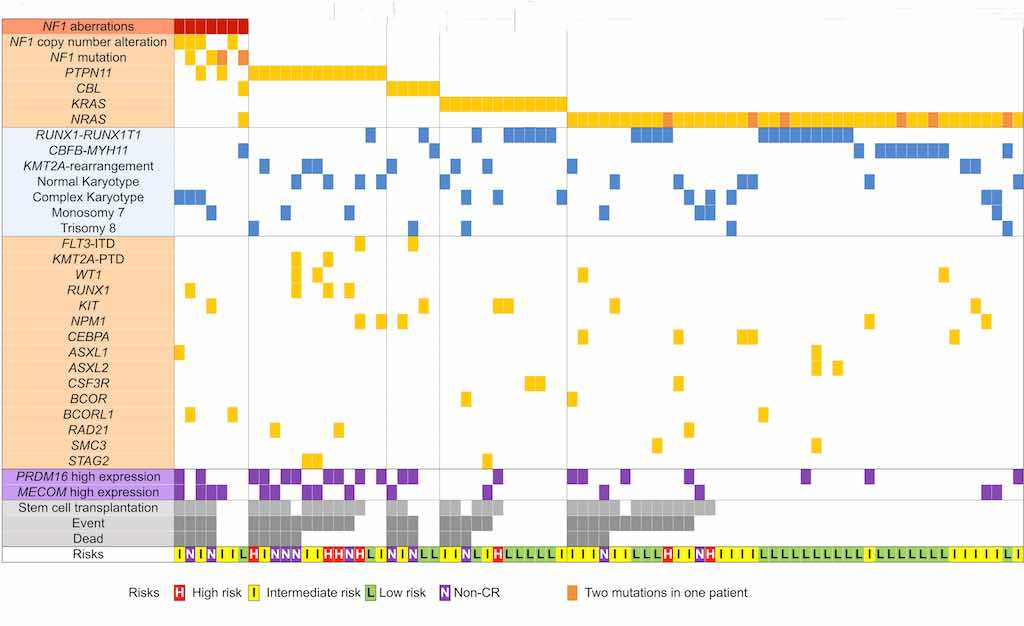
Clinical significance of RAS pathway alterations in pediatric acute myeloid leukemia
RAS pathway alterations have been implicated in the pathogenesis of various hematologic malignancies. This study analyzed them in 328 pediatric patients with de novo acute myeloid leukemia and found that NF1 and PTPN11 alterations are poor prognostic factors, while NRAS mutation is a favorable prognostic factor. Analysis of RAS pathway alterations may enable a more accurate prognostic stratification of pediatric acute myeloid leukemia and may provide novel therapeutic molecular targets.
Article
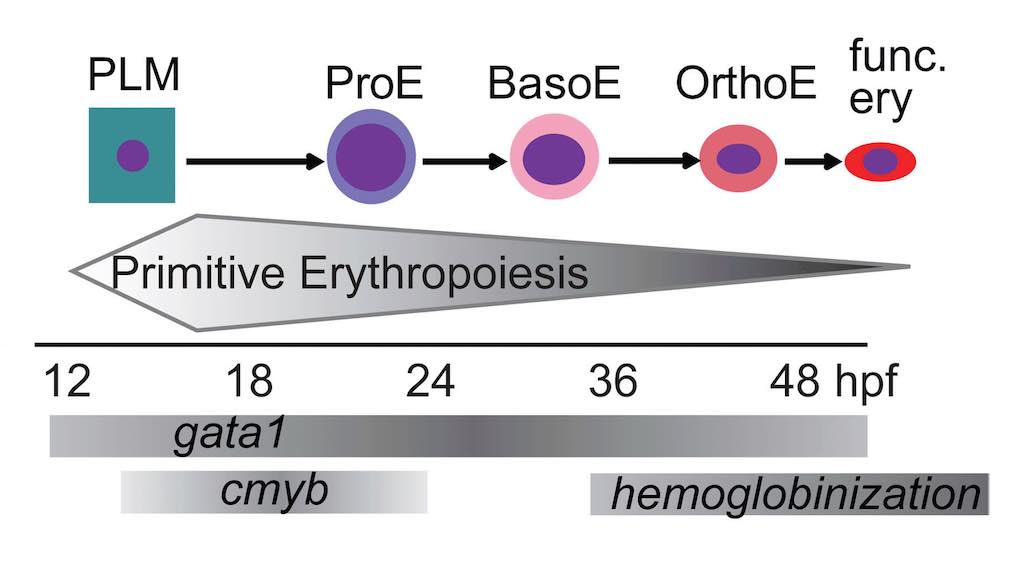
Ddx41 inhibition of DNA damage signaling permits erythroid progenitor expansion in zebrafish
EAD-box Helicase 41(DDX41) is a recently identified factor mutated in hematologic malignancies whose function in hematopoiesis was unknown. Using an in vivo model of Ddx41 deficiency, this study demonstrated that deficiency of Ddx41 triggers cell cycle arrest via activation of ATM and ATR, with cell cycle arrest induced by elevated DNA damage as well as mis-expression and alternative splicing of cell cycle regulators. These findings established a critical function for Ddx41 in promoting healthy erythropoiesis.
Letter
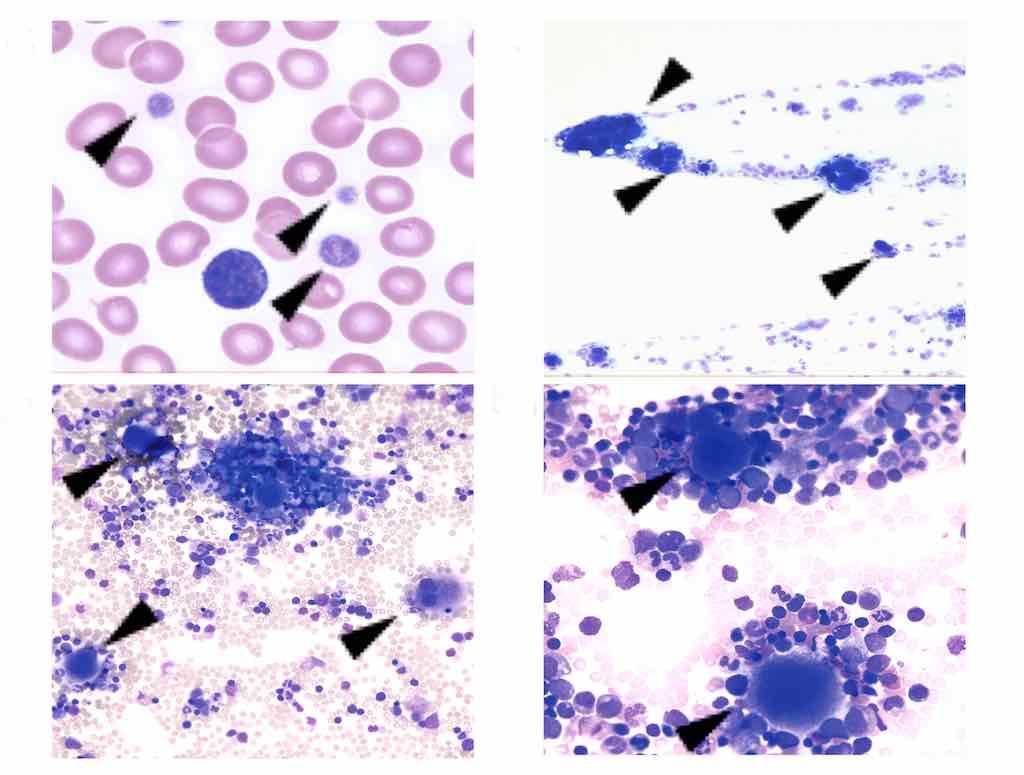
GNE-related thrombocytopenia: evidence for a mutational hotspot in the ADP/substrate domain of the GNE bifunctional enzyme
Mutations of GNE are responsible for GNE myopathy, an autosomal recessive late-onset progressive muscle disorder. This study identified two novel GNE variants in two young people with severe thrombocytopenia and concluded that they were responsible for platelet deficiency. This finding extends the clinical phenotype of GNE defects.
Article
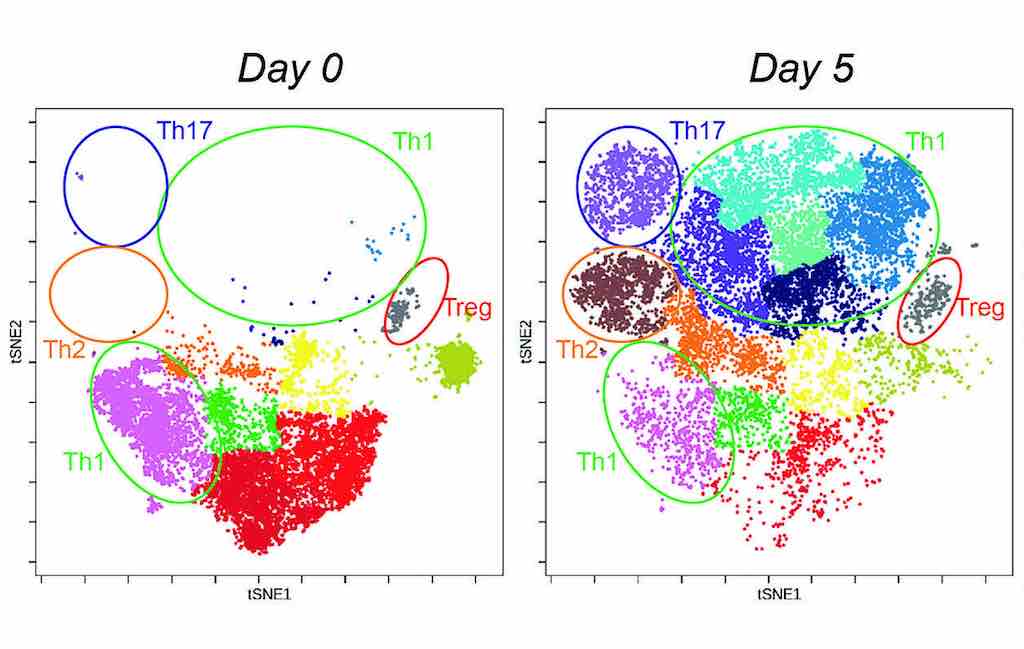
Reduced frequencies and functional impairment of dendritic cell subsets and non-classical monocytes in myelodysplastic syndromes
In myelodysplastic syndromes (MDS) the immune system is involved in pathogenesis as well as disease progression. This study investigated dendritic cells in MDS by a multiparametric approach and found an impaired ability of dendritic cell subsets to respond adequately to cellular stress and DNA damage in the immune escape and progression of MDS. These findings pave the way toward potential novel immunotherapeutic interventions.
TAKE ADVANTAGE FROM HAEMATOLOGICA