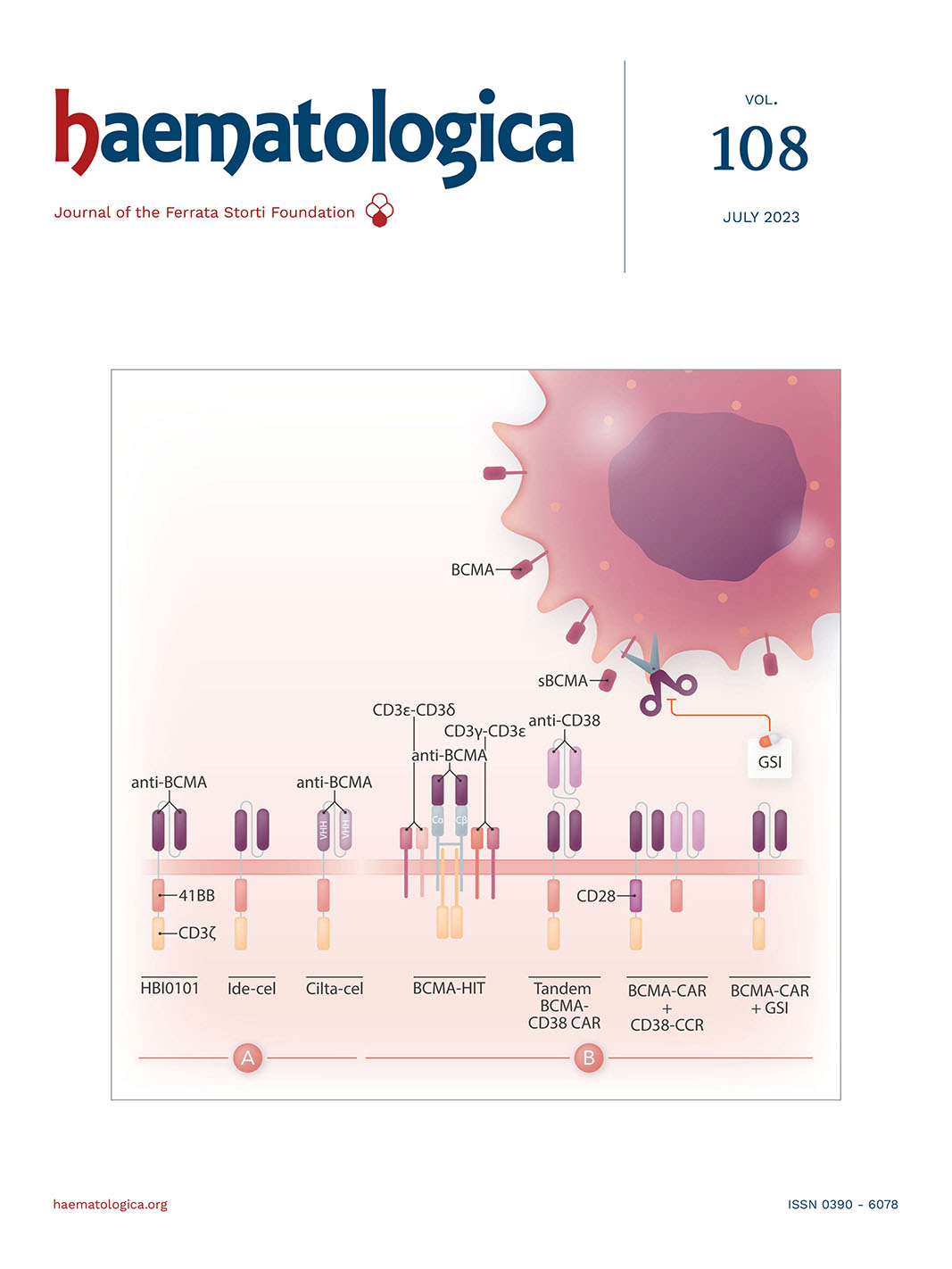
ISSUE
July, 2023
No. 108 (7)
2024 Impact Factor: 7.9
2024 Journal Citation Indicator: 1.9
2024 CiteScore: 11.3
2024 Journal Citation Indicator: 1.9
2024 CiteScore: 11.3
EDITOR'S PICKS
ARTICLES IN THREE SENTENCES
Article
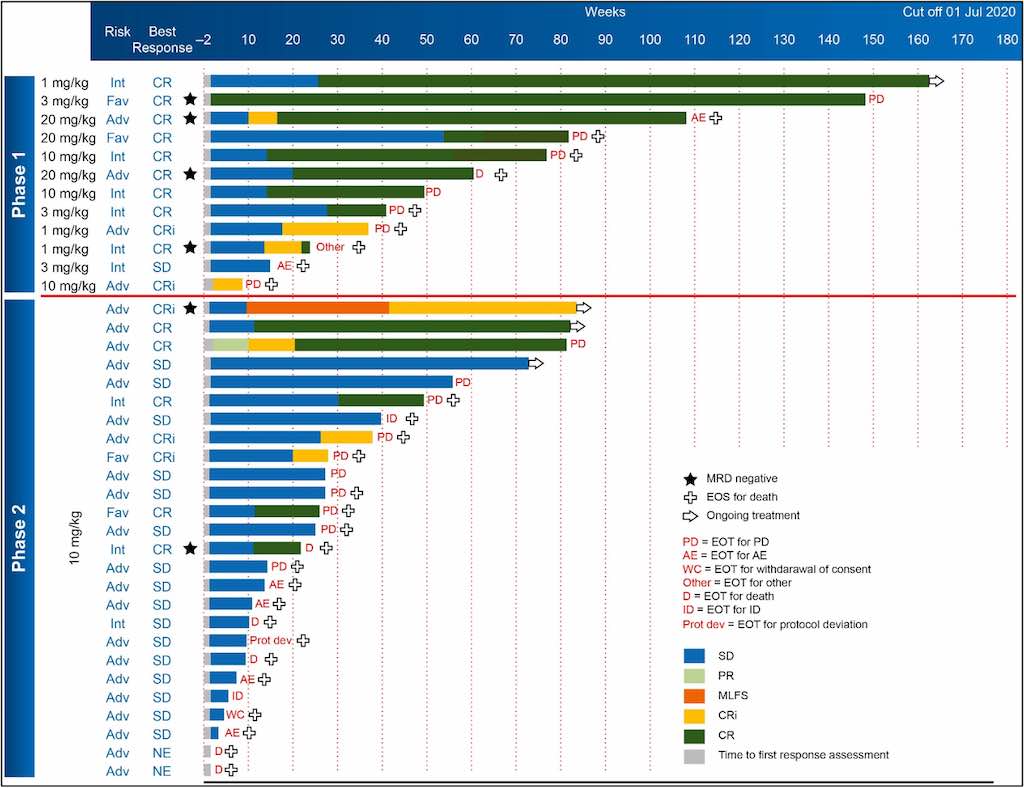
Results from a phase I/II trial of cusatuzumab combined with azacitidine in patients with newly diagnosed acute myeloid leukemia who are ineligible for intensive chemotherapy
Cusatuzumab (ARGX-110) is a high-affinity, anti-CD70 monoclonal antibody that blocks CD70/CD27 signaling, leading to inhibition of leukemic stem cells and blast proliferation. Pabst and colleagues present results of an open-label, multicenter, phase I/II trial evaluating cusatuzumab plus azacitidine in patients with newly diagnosed acute myeloid leukemia ineligible for intensive chemotherapy. They conclude that cusatuzumab/azacitidine appears generally well tolerated and shows preliminary efficacy in this setting.
Article
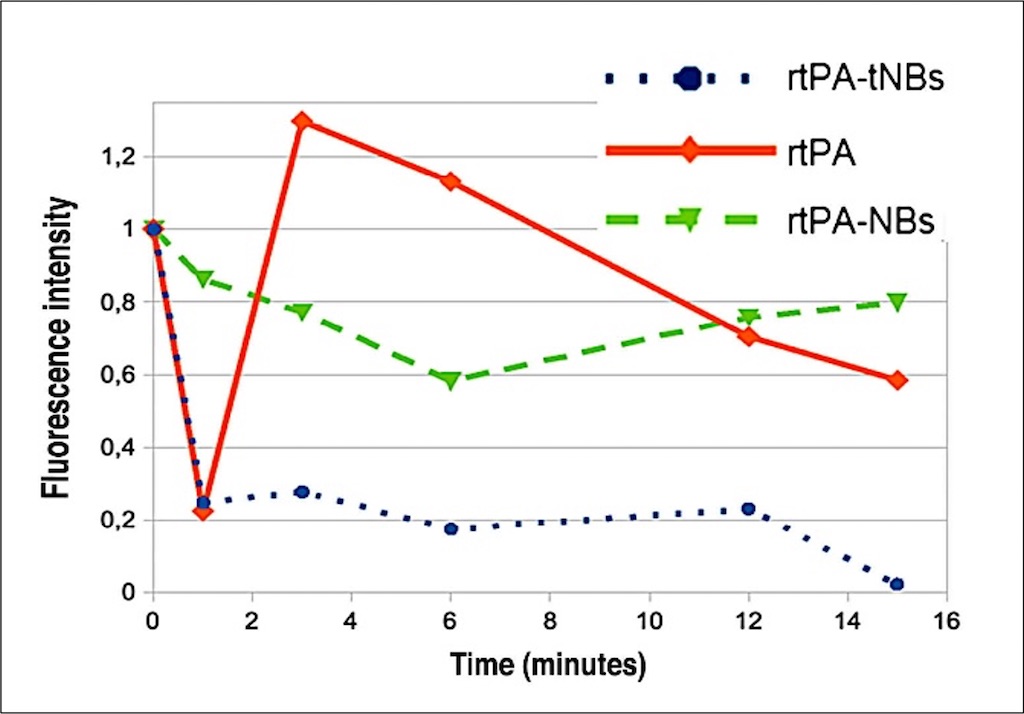
Plasminogen activator-coated nanobubbles targeting cellbound β2-glycoprotein I as a novel thrombus-specific thrombolytic strategy
The serum protein β2-glycoprotein I (β2-GPI) is one of the main target antigens for the antibodies found in patients with antiphospholipid syndrome (APS). Macor and colleagues developed a new targeted thrombolytic agent consisting of nanobubbles coated with recombinant tissue plasminogen activator and a recombinant antibody specific for cell-bound β2-GPI. Their study suggests that targeting cell-bound β2-GPI may represent an efficient and thrombus-specific thrombolytic strategy in both APS-related and APS-unrelated thrombotic conditions.
Article
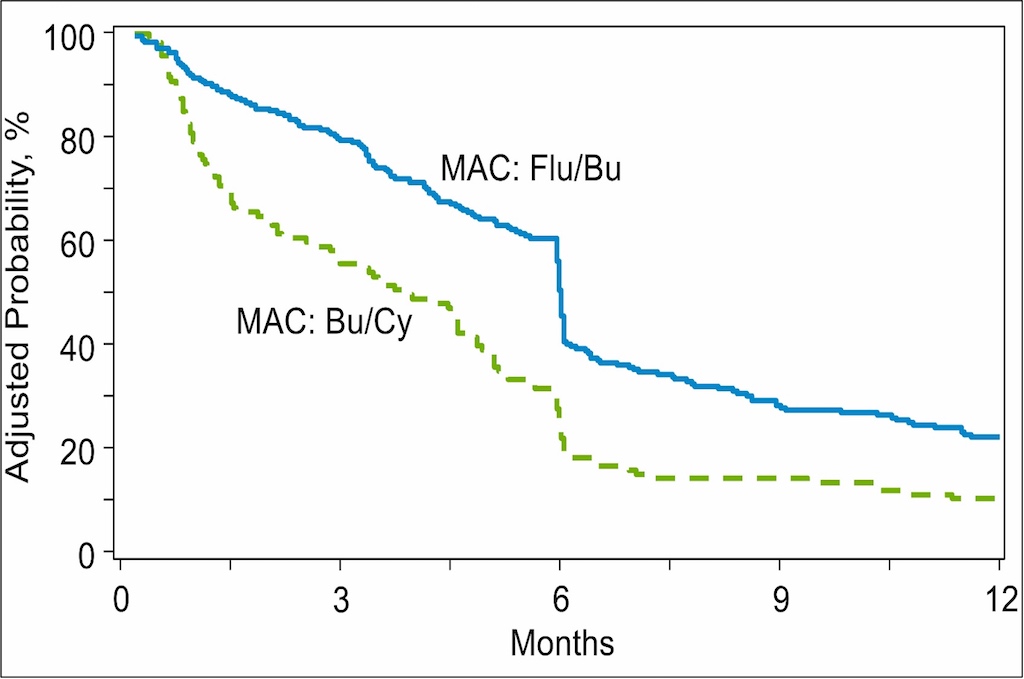
Association between the choice of the conditioning regimen and outcomes of allogeneic hematopoietic cell transplantation for myelofibrosis
Allogeneic hematopoietic cell transplantation is the only curative option for myelofibrosis. Both myeloablative and reduced intensity conditioning (MAC and RIC) are used; however, it is unclear which is the optimal regimen either with RIC or MAC conditioning. Murthy and colleagues analyzed outcomes of patients recorded on the Center for International Blood and Marrow Transplant Research database, and showed that fludarabine/busulfan-based conditioning was associated with better outcomes when compared to fludarabine/melphalan and busulfan/cyclophosphamide in RIC and MAC, respectively.
Article
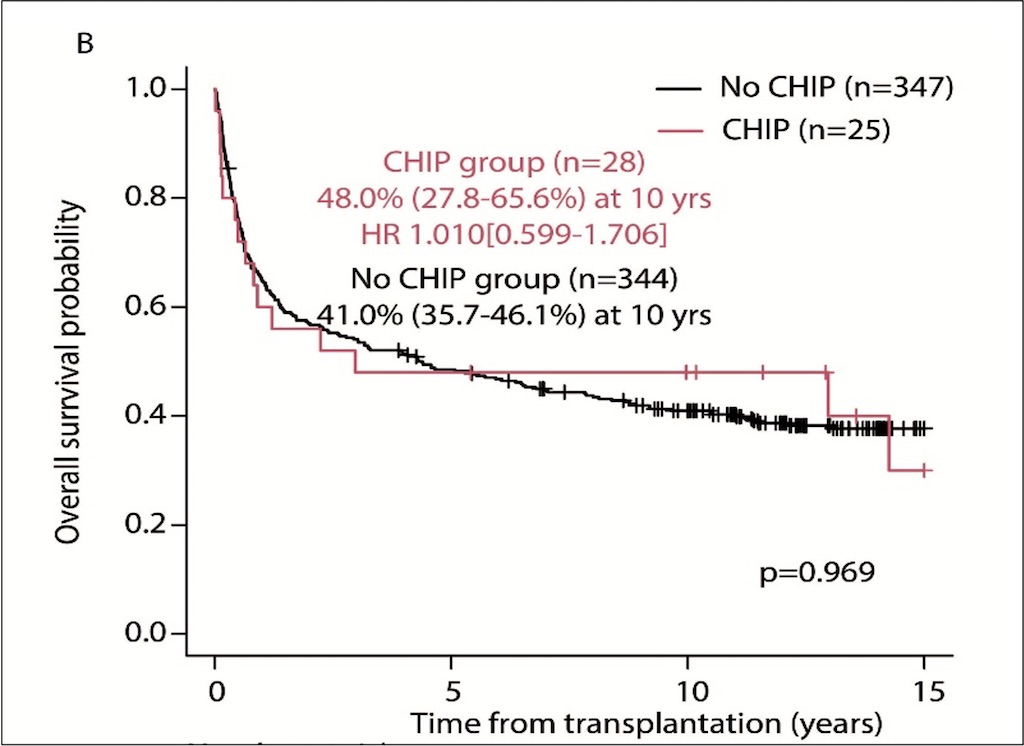
Clonal hematopoiesis in the donor does not adversely affect long-term outcomes following allogeneic hematopoietic stem cell transplantation: result from a 13-year follow-up
Clonal hematopoiesis with indeterminate potential (CHIP) increases the risk of hematologic malignancy in healthy individuals. Donor CHIP may be transferred to the recipient of allogeneic hematopoietic stem cell transplantation (HSCT), but the risk for adverse long-term impact on transplant outcomes is unknown. Kim and colleagues studied the impact of donor CHIP. With a median follow-up of 13 years, they show that donor CHIP does not adversely affect the risk of relapse, survival, GvHD or engraftment, nor does it increase the risk of secondary malignancies, findings that do not support the use of molecular tests to detect donor CHIP mutations during pre-donation testing.
TAKE ADVANTAGE FROM HAEMATOLOGICA