ISSUE
August, 2021
No. 106 (8)
2024 Impact Factor: 7.9
2024 Journal Citation Indicator: 1.9
2024 CiteScore: 11.3
2024 Journal Citation Indicator: 1.9
2024 CiteScore: 11.3
EDITOR'S PICKS
ARTICLES IN THREE SENTENCES
Article
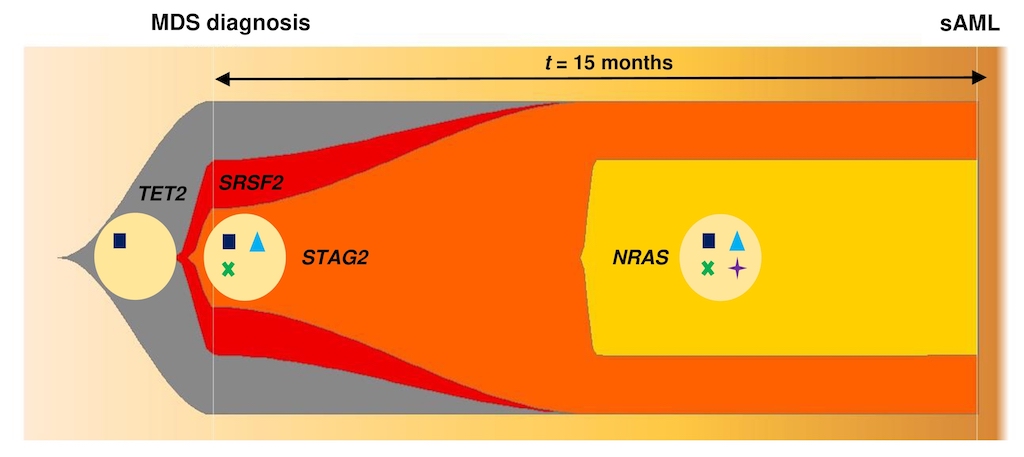
Co-occurrence of cohesin complex and Ras signaling mutations during progression from myelodysplastic syndromes to secondary acute myeloid leukemia
Next-generation sequencing was performed on 84 patients with myelodysplastic syndrome (MDS) who developed secondary acute myeloid leukemia (AML) and 14 who did not progress. Results were validated in an independent series of 388 MDS patients. This study demonstrated that co-occurrence of cohesin complex and Ras signaling mutations plays an important role in 15-20% of MDS patients who evolve to AML.
Article
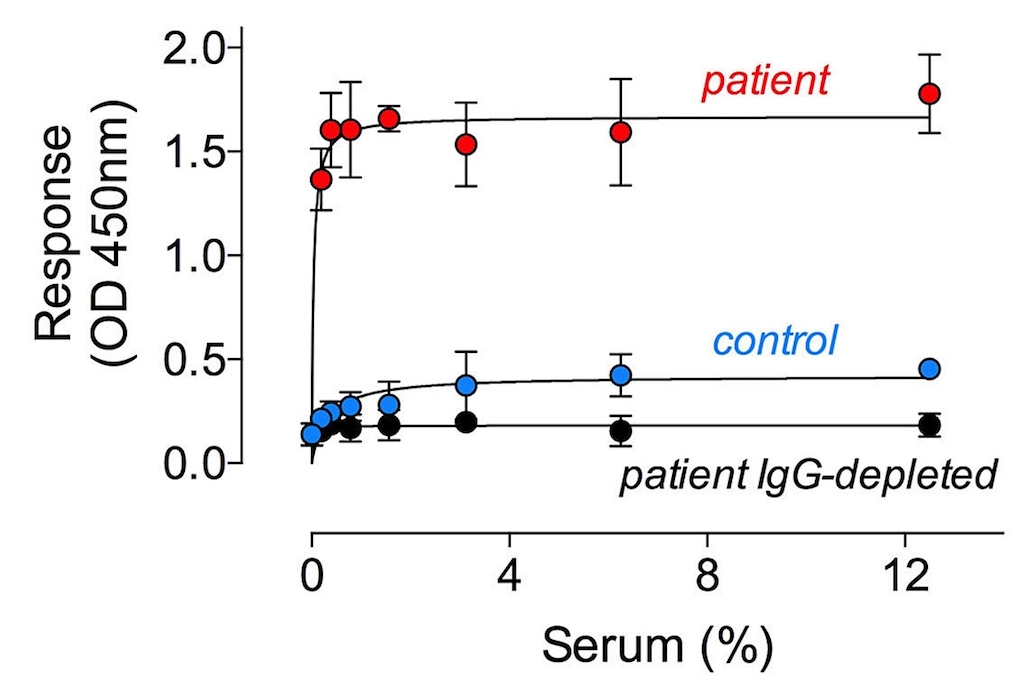
Non-inhibitory antibodies inducing increased emicizumab clearance in a severe haemophilia A inhibitor patient
Emicizumab is an antibody that mimics activated factor VIII even in the presence of FVIII inhibitors. A patient with severe hemophilia A and anti-factor VIII inhibitor receiving this drug developed antibodies that provoked the rapid elimination of emicizumab and made this treatment ineffective.
Article
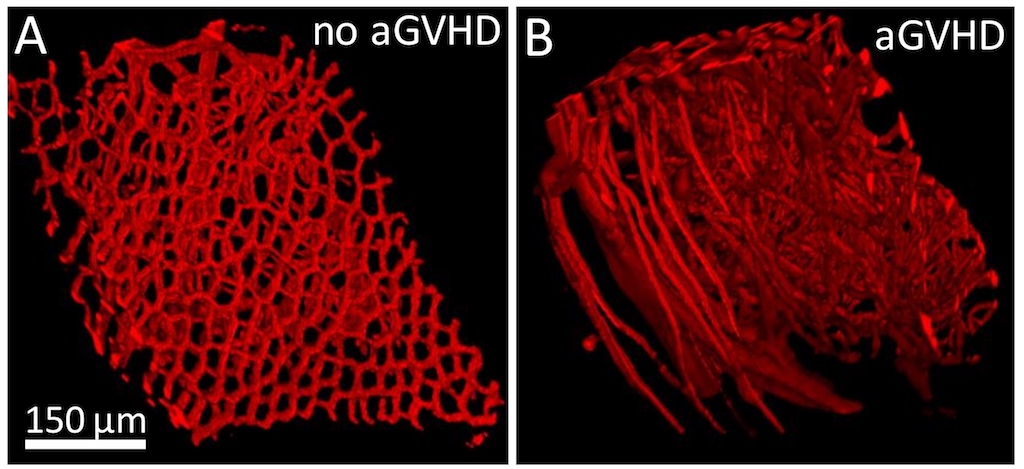
Endothelial damage and dysfunction in acute graft-versus-host disease
This study in humans and mice found extensive damage, structural changes, and dysfunction of the vasculature during acute graft-versus-host disease (GvHD). Severe endothelial damage and reduced endothelial pericyte coverage were observed in murine experimental acute GvHD. The endothelium-protective sildenafil improved survival and reduced target organ damage in mice.
Letter
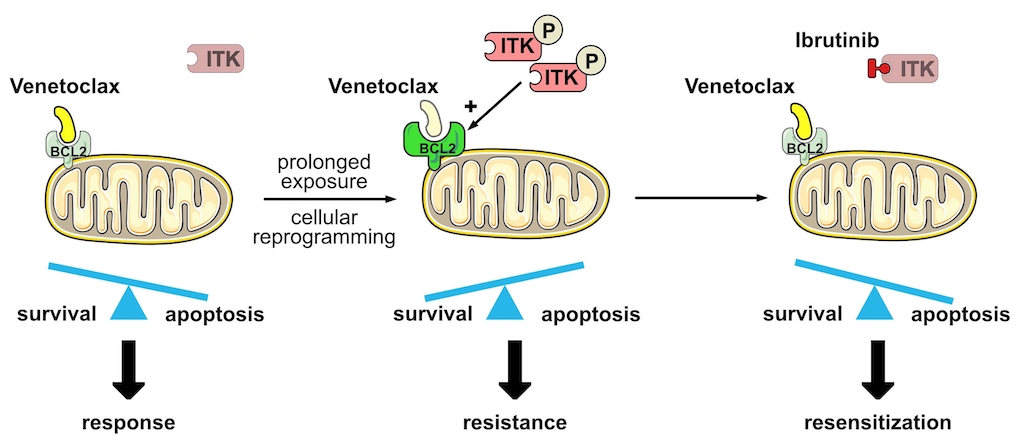
Rationale for the combination of venetoclax and ibrutinib in T-prolymphocytic leukemia
The authors used combinatorial drug screening to identify synergistic combination partners to enhance the efficacy of venetoclax in patients with T-prolymphocytic leukemia. In vitro studies demonstrated that the combination with ibrutinib increased cell priming for apoptosis and Bcl-2 dependence. The combination produced clinical responses in two heavily pretreated patients. A large clinical study is ongoing.
TAKE ADVANTAGE FROM HAEMATOLOGICA