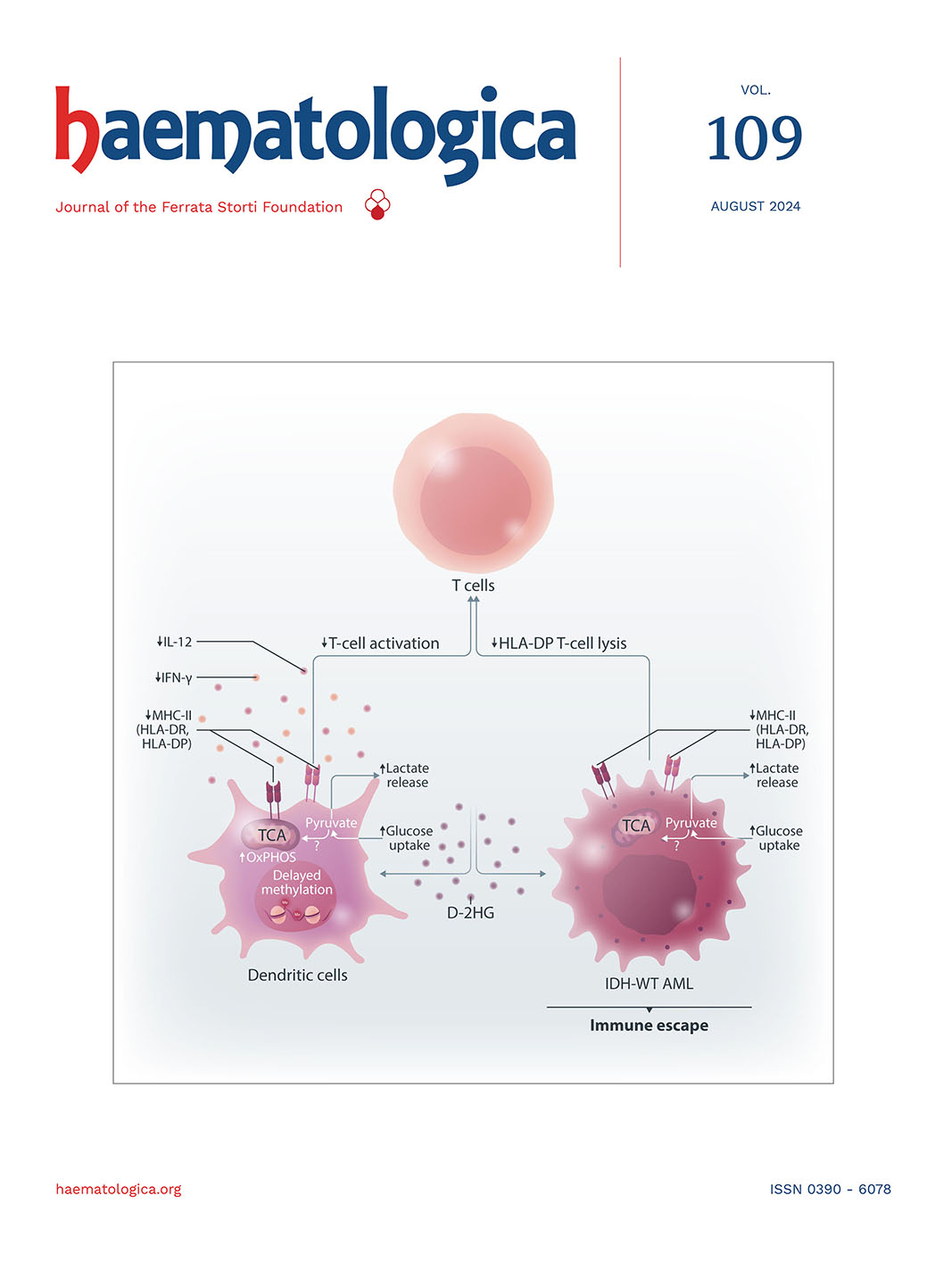
ISSUE
August, 2024
No. 109 (8)
2024 Impact Factor: 7.9
2024 Journal Citation Indicator: 1.9
2024 CiteScore: 11.3
2024 Journal Citation Indicator: 1.9
2024 CiteScore: 11.3
EDITOR'S PICKS
Spotlight Review Article
Efanesoctocog alfa: the renaissance of Factor VIII replacement therapy
ARTICLES IN THREE SENTENCES

Article
UBTF tandem duplications in pediatric myelodysplastic syndrome and acute myeloid leukemia: implications for clinical screening and diagnosis
Pediatric acute myeloid leukemia (AML) has a unique genetic background. Indeed, 4% harbor an in-frame tandem duplication (TD) of exon 13 of the upstream binding transcription factor (UBTF) gene. Barajas and colleagues, through bulk RNA-sequencing and single cell proteogenomic analysis, provide a comprehensive analysis of the clinical and pathological features of UBTF-TD myeloid neoplasms in childhood. They highlight key clinical and pathological features that distinguish this new, unfavorable entity from other molecular subtypes of AML.
Article
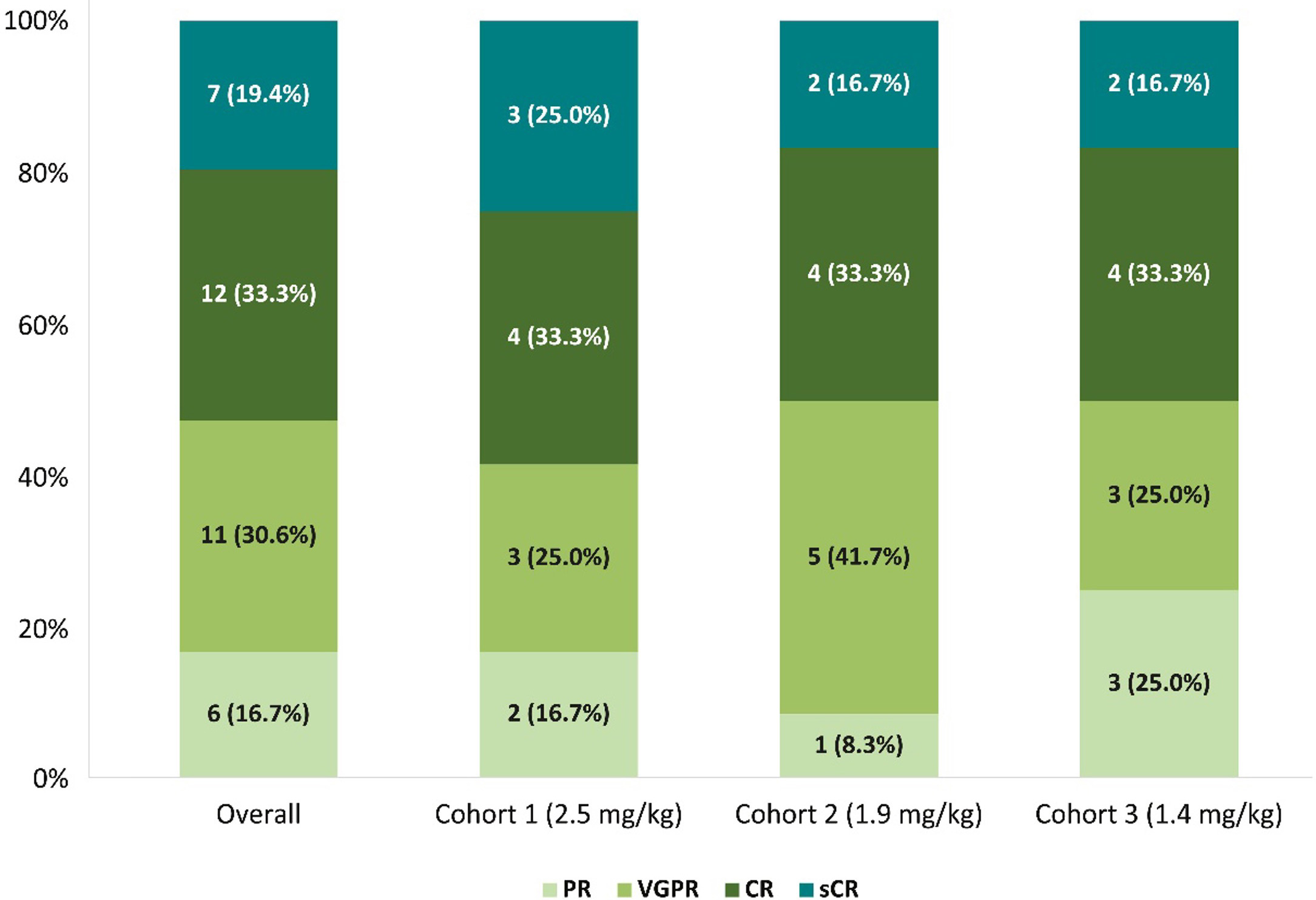
Belantamab mafodotin, lenalidomide and dexamethasone in transplant-ineligible patients with newly diagnosed multiple myeloma: part 1 results of a phase I/II study
Preclinical and clinical data demonstrate synergy between belantamab mafodotin (belamaf) and immunomodulatory drugs in multiple myeloma (MM). In this issue of Haematologica, Terpos and colleagues report results of the phase I/II clinical trial BelaRd, testing the safety and efficacy of belamaf with lenalidomide and dexamethasone (belamaf-Rd) in patients with non-transplant-eligible newly diagnosed MM. The clinical activity of the belamaf-Rd triplet is very promising, with a rapid, deep and durable responses and a significant reduction of ocular adverse events with minimal impact on vision-related functioning.
Article
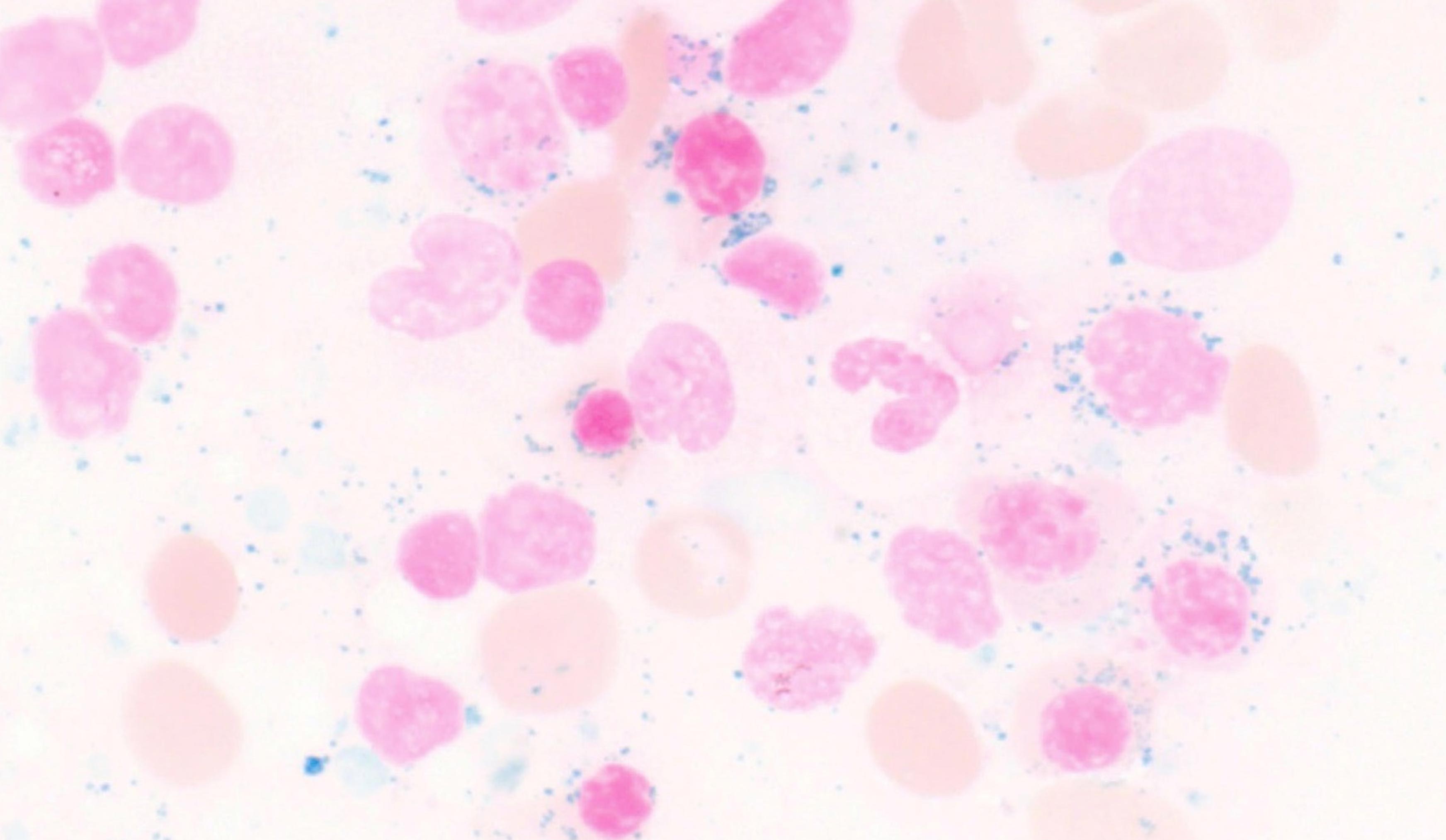
Prognostic impact of SF3B1 mutation and multilineage dysplasia in myelodysplastic syndromes with ring sideroblasts: a Mayo Clinic study of 170 informative cases
The revised 4th edition of the World Health Organization (WHO4R) classification lists myelodysplastic syndromes with ring sideroblasts (MDS-RS) as a separate entity with single lineage (SLD) or multilineage (MLD) dysplasia. On the other hand, the International Consensus Classification (ICC) distinguishes between MDS with SF3B1 mutation (MDS-SF3B1) and MDS-RS without SF3B1 mutation. A new study from the Mayo Clinic analyzes 170 patients with WHO4R-defined MDS-RS and shows a significant difference in overall survival between MDS-RS-MLD and MDS-RS-SLD but not between MDS-RS with and without SF3B1 mutation, concluding that the MLD-based, as opposed to the SF3B1 mutation-based, disease classification for MDS-RS is prognostically more relevant.

Letter
Non-myeloma light chain cast nephropathy: a multicenter retrospective study on clinicopathological characteristics
Light chain cast nephropathy (LCCN) is a well described multiple myeloma (MM)-defining event and correlates with poorer outcome. The new study by Martins and colleagues analyzes features of LCCN in non-MM mature B-cell neoplasms and compares its presentation with that of MM-associated LCCN. Results show that patients with LCCN associated with B-cell neoplasms have similar presentation and outcome to those with MM-associated LCCN, thus emphasizing the need for a close and longitudinal assessment of kidney function in patients with mature B-cell neoplasms with plasmacytic differentiation.
TAKE ADVANTAGE FROM HAEMATOLOGICA